
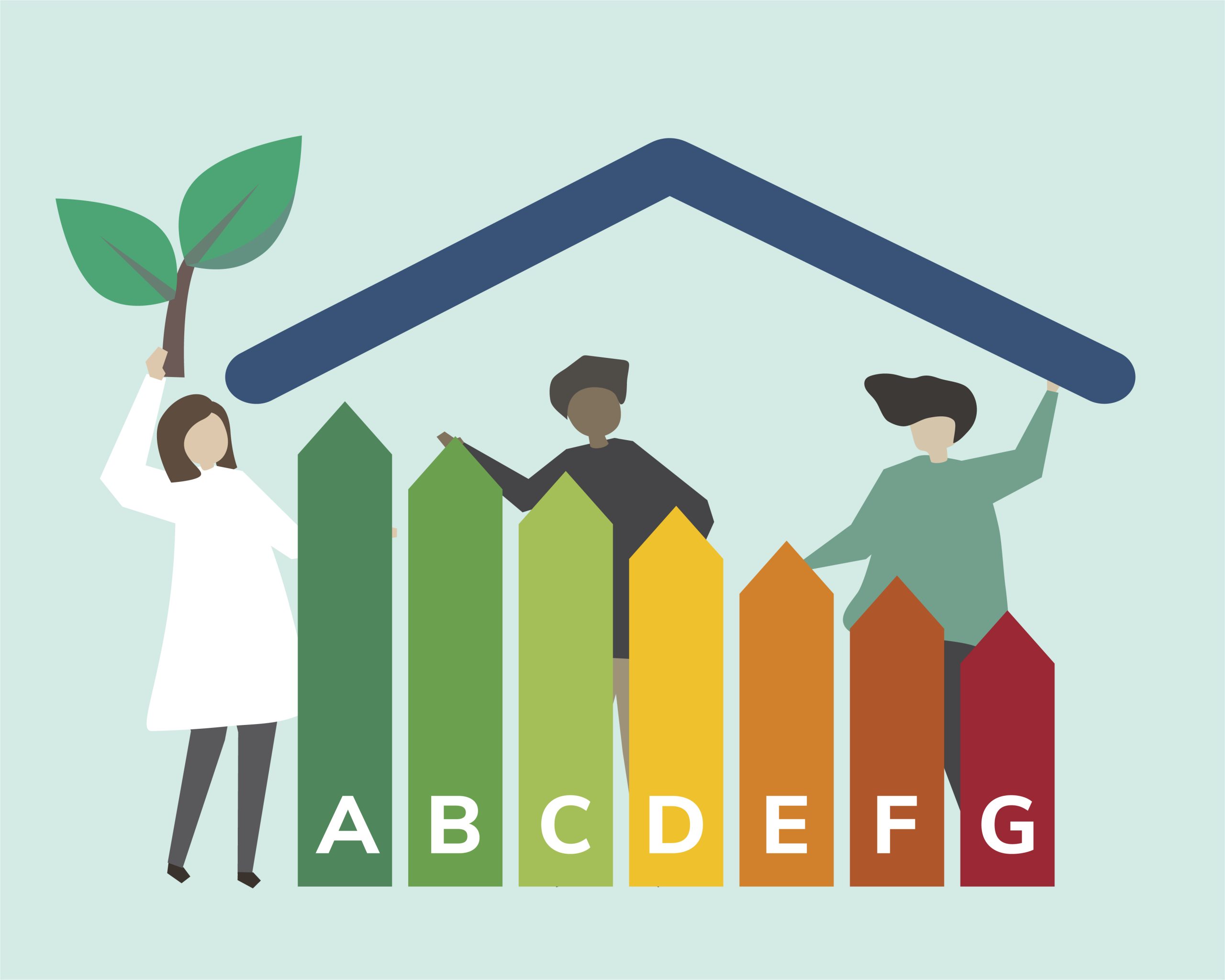
If you’re looking for a new home for your family, you’ll notice that a lot of listings – especially new build properties – are marketed with an Energy Performance Certificate (EPC).
Used to demonstrate exactly how energy-efficient a property is on a scale from A (most efficient) to G (least efficient), this is a legally valid document when selling, renting, or constructing a property in the UK.
Do all properties need an EPC?
No, not every property requires an EPC in the UK.
For example, exemptions to the mandatory EPC requirement includes listed or officially protected buildings, but only if compliance would unacceptably alter their character.
Other exemptions also exist, and if a property is being marketed without this document, it’s likely it falls under one of these.
Do new builds need an EPC?
Yes, nearly all new builds in England and Wales must have an EPC when completed, sold, or let.
Do you get an EPC with a new build?
Yes, you will get an EPC with a new build.
The developer will be responsible for providing one, and should contact a certified professional assessor to arrange an inspection of the property.
An EPC can only be obtained following this 30-60-minute property survey (time varies depending on the property’s size and layout).
The assessor will inspect a property’s insulation, heating systems, windows, and lighting to help determine the appropriate energy efficiency rating.
Afterwards, the developer should be sent a digital EPC usually within 24 hours.
It’s also important to bear in mind that once this certificate has been issued, it cannot be altered.
Subsequently, developers should seek to obtain an EPC immediately upon completion of construction when the property has been fitted with all energy-efficient features.
What EPC rating do new builds have?
New builds typically come with an EPC rating of at least C or above, which affords them many benefits from financial savings to greater demand when selling in the future.
How long is an EPC valid for?
An EPC is valid for 10 years from the date it is issued.
As a result, the same certificate can be used multiple times for selling or letting the property over this 10-year period.
When should you get another EPC for your new build?
According to 2021 Building Regulations Part L (Conservation of Fuel and Power) and F (Ventilation), new builds in the UK must abide by stringent energy-efficient measures to help reduce their CO2 emissions by at least 31%.
This means homes built in the last few years will already benefit from a range of energy-saving features, including high-performance insulation and low-carbon heating systems, ensuring they achieve a minimum EPC rating of C or above.
However, if you choose to buy one of these new builds and then implement additional energy-saving measures, such as installing solar panels or triple-glazed windows, it may be worth getting another assessment to highlight the tangible impact of these changes.
With a higher-rated EPC, you can further increase the home’s value in preparation for selling or letting the property in the future.
However, if you plan on staying in the home for the rest of your life, there’s no legal requirement to obtain another EPC.
How much does an EPC cost?
According to HomeOwners Alliance, an EPC tends to cost between £60 and £120.
However, the exact amount you can expect to pay varies depending on the provider as well as the size, location, and type of property that requires an EPC.
Why do EPCs matter when buying a new build?
An attractive option for prospective homeowners and renters alike, energy-efficient properties boast many advantages, including:
- Lower utility bills
One of the biggest benefits of buying a new build with a high EPC rating is the cost savings. Thanks to features such as solar panels, increased insulation, and low-energy lighting, the everyday costs of heating and illuminating the home are significantly reduced, building over time into substantial savings.
- Reduced environmental impact
By decreasing overall energy usage, the property’s impact on the environment is also markedly lessened. Subsequently, new builds tend to have a much smaller carbon footprint than older properties which require far more energy to keep them warm, comfortable, and well-lit.
- Increased resale value
When it comes to selling the new build later down the line, you can rest assured that buyers will appreciate the property’s energy-efficient features. This supports an increased sale value, helping the existing homeowner(s) to maximise their return on investment, achieve the desired sale price, and secure higher equity.
- Improved resident comfort
Between high-performance insulation, windows, and heating systems, residents will benefit from improved daily comfort – especially during colder months in the UK. This is in stark contrast to older properties which are often more vulnerable to draughts, excess moisture, and dampness.
Energy-efficient new builds that save you money
At Eaton Homes, we’re dedicated to developing homes that provide fantastic value for money throughout their lifetime.
That’s why all our new builds, including the homes in our latest Beeston development, are designed with energy efficiency at their core.
These properties benefit from the highest specification of insulation, high-performance glazing, and low-carbon heating solutions that continue to deliver exceptional value and help you do your bit for the environment.
Alternatively, if you’re planning on purchasing a new build as an investment, then a higher-rated EPC can make all the difference to attracting tenants and ensuring their home is safe, comfortable, and affordable.
To learn more about the energy-efficiency of Eaton Homes Beeston Market properties or for help envisaging your family living in one of these homes, why not arrange a viewing today or explore our home buying hub?
We also welcome calls made to 01829 824044 and email enquiries sent to info@eatonhomes.co.uk.
Want to learn more? read about our build quality and warranty or explore energy-efficient homes at Beeston Market.
